
What Is Residential Care?
Sometimes, life changes in ways that make daily tasks harder to manage on your own. Whether it’s aging, an illness, or a disability, residential care offers a supportive living environment where people can feel safe, cared for and still maintain their independence. It’s more than just a place to stay, it’s a community and place of togetherness. Trained staff are available around the clock to help with everyday needs like meals, personal care, medication and plan social activities. Living in residential care means having help when you need it, while still enjoying as much freedom as possible. So it is best of both worlds really.
Benefits Of Residential Care
Of course, with residential care, comes a lot of benefits, and these are key to consider when looking into whether it's a right fit for you or a loved one. Residential care brings peace of mind and support, it can help reduce stress for both residents and their families, knowing that professional care is always available. People living in residential care often enjoy more social interaction, structured routines, and opportunities to participate in activities they love. It’s not just about assistance, it’s about enhancing quality of life, promoting independence and creating a safe, welcoming environment where everyday life feels easier and more enjoyable.
Do Staff Consult With Residents On The Types Of Activities Planned?
One of the most important aspects of residential care is ensuring that residents feel involved and valued in daily life. In many UK care homes, staff actively consult residents when planning activities. This can be as simple as asking for their preferences during conversations or more structured, like suggestion boards or regular forum style meetings. By doing this, care homes ensure that the activities offered reflect what residents truly enjoy, whether it’s arts and crafts, gentle exercise, music sessions, or social outings and community events.
Consultation benefits everyone as residents feel heard and engaged, and staff can design activities that are meaningful and enjoyable. It also fosters a sense of community, encourages participation, and helps maintain mental and physical wellbeing. In short, involving residents in activity planning isn’t just good practice, it’s central to creating a supportive, happy and enriching environment in residential care.

Can Visitors Dine With Residents?
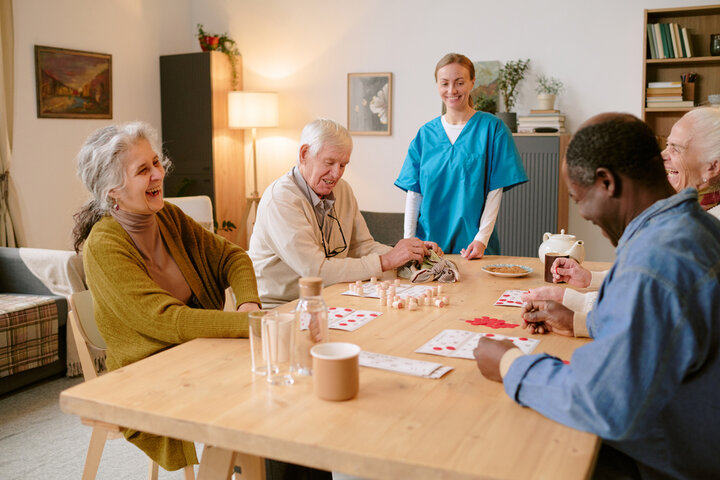
When looking for a care home, it’s worth asking whether visitors can dine with residents, as shared meals can make visits feel more personal and home-like. It’s a simple question that can reveal a lot about the home’s approach to family involvement and community. For example, at Dalgety Bay Care Home, mealtimes are more than just food, they’re about togetherness. Residents enjoy delicious meals prepared by the in‑house chef, and families and friends are absolutely welcome to come and share a meal with their loved ones, creating moments that feel just like home rather than a care setting. The flexible dining options mean you can choose to eat in the main dining areas, cosy café spaces, or even outdoors in the garden when the weather’s kind.


Is The Care Home In A Suitable Location?
Like when you are looking to move house, the location is one of the most important factors to consider. Similarly, when looking for a care home, being in a suitable area can make a huge difference for both residents and their families. Ideally, the home should be easy to reach for regular visits from loved ones, whether it’s close to family, friends, or local transport links. At the same time, a good location offers access to local amenities, such as parks, shops and healthcare services, which can help residents stay connected to the community. A peaceful, safe environment is also key, providing a calm and comfortable setting for daily life. Choosing a care home in the right location ensures that residents can enjoy a sense of belonging, maintain social connections, and make visits from family and friends both convenient and frequent, supporting overall wellbeing and happiness.
How Will Staff Get To Know Residents Personally?
It’s important to ask how staff get to know residents personally, because this shows how much the home values individual care and wellbeing. Good care homes take time to understand each resident’s life history, preferences, routines and interests. This can involve one‑to‑one conversations, family input and creating a personalised care plan that reflects not just medical needs, but also hobbies, favourite meals and social habits. Does the home actually use personalised care plans? The goal is to ensure that residents feel seen, respected and comfortable - rather than just being another name on a list. Observing how staff interact with residents during visits, whether they remember small details, engage warmly, and respond to personal preferences, can give a clear sense of the home’s approach to building genuine relationships and supporting a happy, fulfilling daily life.


What Does Their Care Inspectorate Say? (CQC If In England)
It’s very important to check a care home’s CQC (Care Quality Commission) report in England or Care Inspectorate report in Scotland because these inspections give an independent, official view of the quality of care provided. These reports assess key areas such as safety, staff training, leadership, cleanliness, wellbeing and how residents are treated and are completely unbiased and honest.
By reading the report, you can see if the home meets national standards, highlights any concerns, and learns about its strengths helping you make an informed choice. It also gives insight into how the home involves residents and families, manages care plans and maintains a safe environment. Essentially, the report acts like a transparent health check for the care home, giving reassurance that residents will receive proper care, and helping families compare options confidently rather than relying solely on brochures or visits.
Ready To Take The Next Step? Visit Us At Dalgety Bay Care Home Today.